Ancient Burial Artifacts
1. Ancient Copper and Iron Tools:
Ancient copper and iron tools are key markers of technological evolution in early human societies. Initially, copper was used for crafting simple tools like knives, chisels, and sickles. However, as civilizations progressed, iron tools began to dominate due to their increased strength and durability. These tools played an essential role in agriculture, building, and warfare, making them crucial for the growth and development of early cultures. The presence of these tools in archaeological sites not only showcases the craftsmanship of ancient artisans but also provides insight into the resourcefulness and technical knowledge of past civilizations. The shift from copper to iron marks an important milestone in human history, directly influencing the rise of more advanced cultures.
2. Ancient Beads and Burial Artifacts:
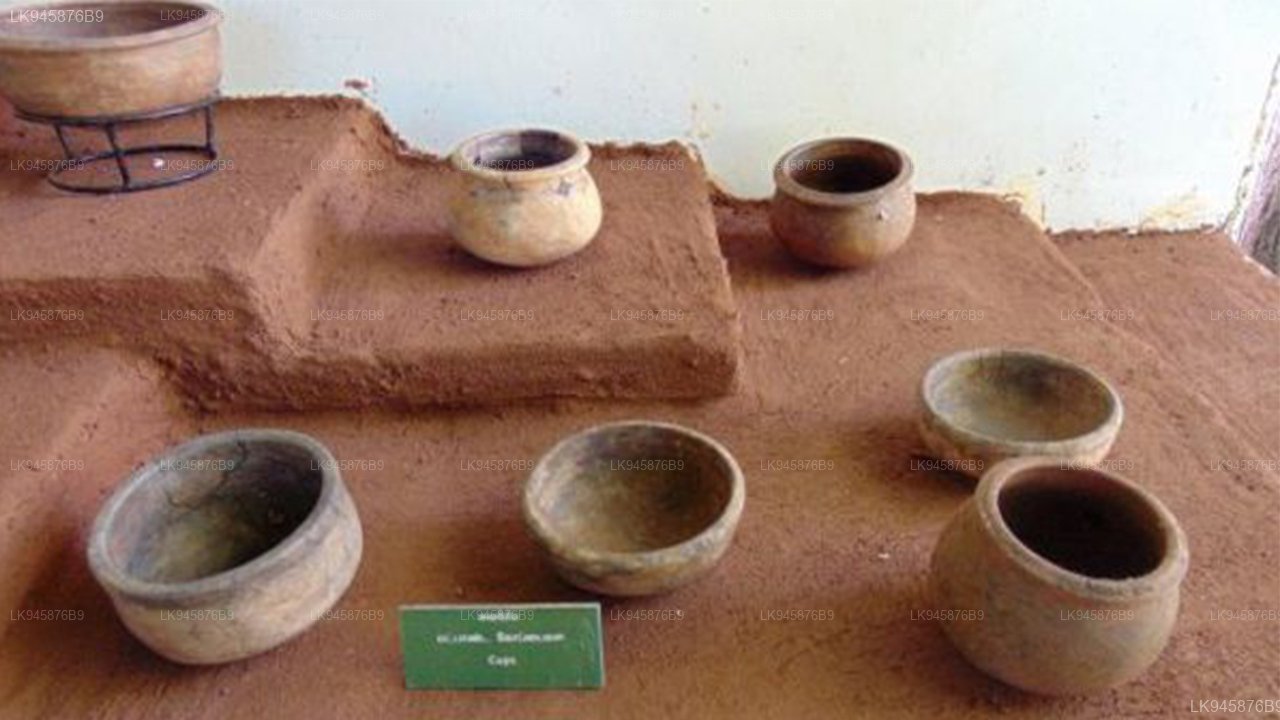
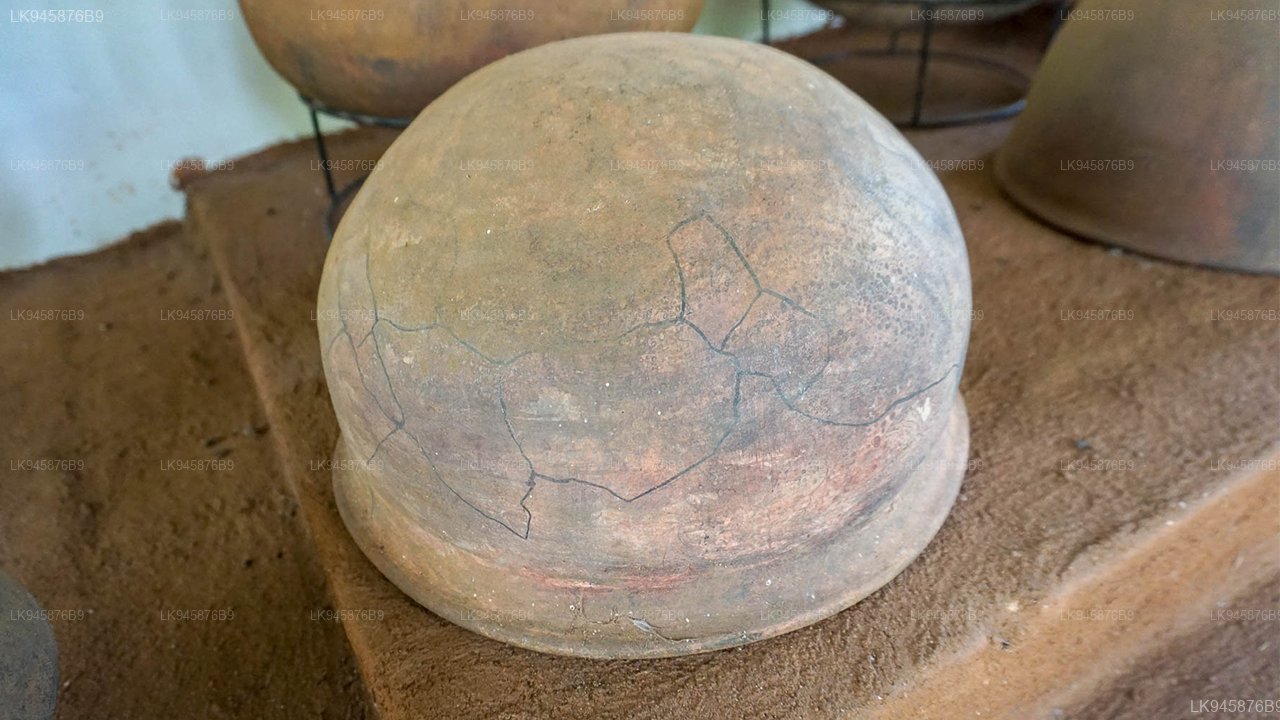
Ancient beads and burial artifacts offer valuable insights into the spiritual and cultural practices of early societies. Beads, often made from stone, metal, or glass, were used for personal adornment, as well as in religious rituals. In burial sites, these beads were placed with the deceased as part of burial practices, symbolizing wealth, status, or spiritual significance. Other burial artifacts, such as pottery, tools, and jewelry, provide clues to the daily life, beliefs, and customs of these ancient cultures. The discovery of such artifacts reveals the importance of ritual and belief systems related to death, showing how ancient people valued the afterlife and the continuation of the soul.
3. Megalithic Burial Chambers:
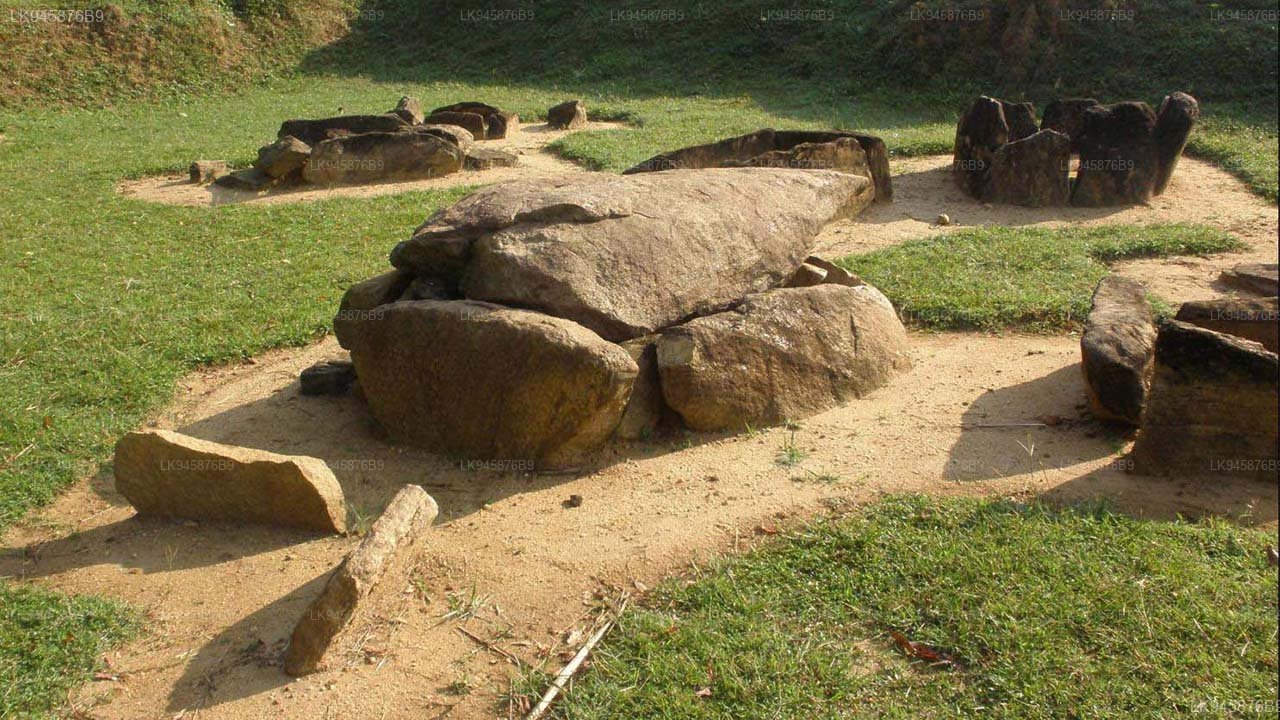
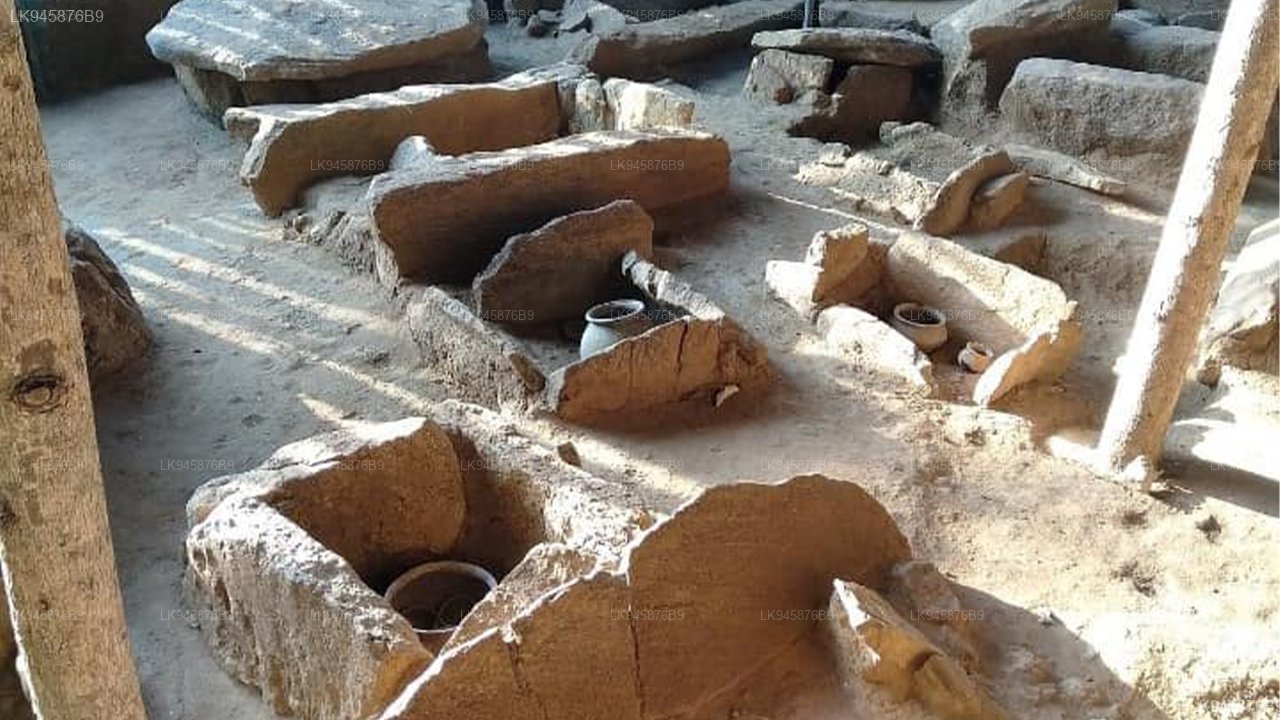
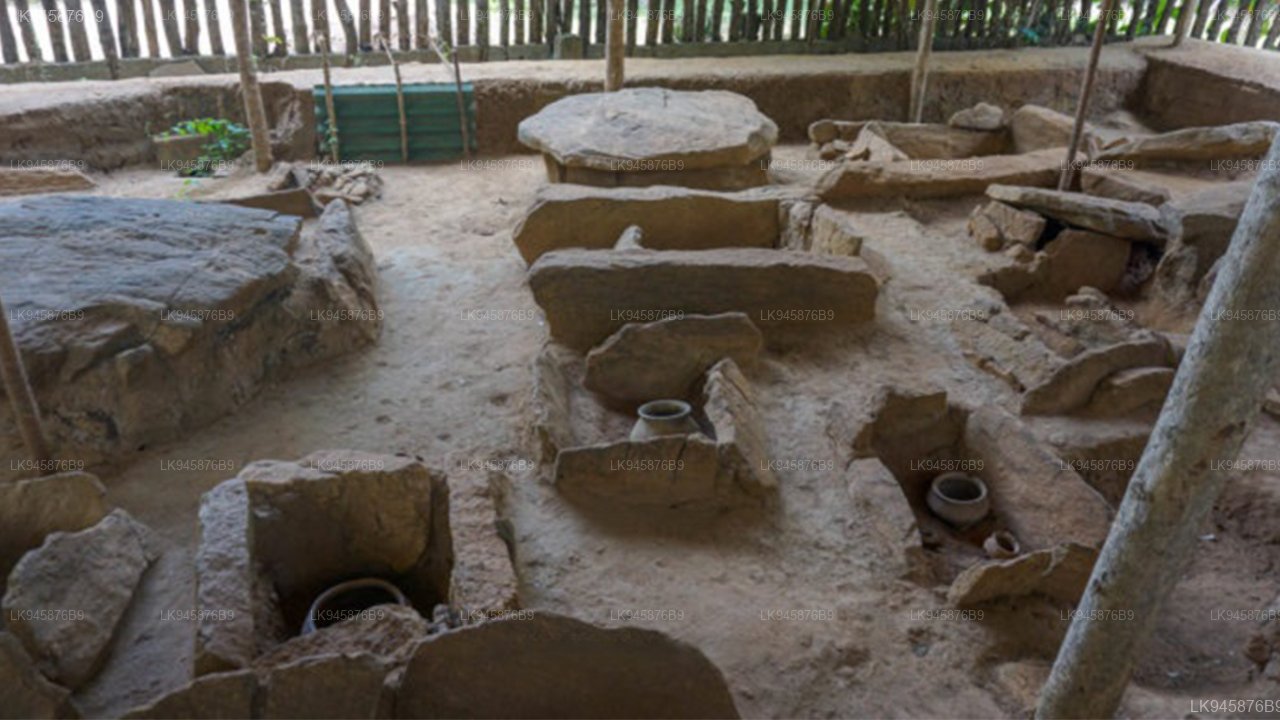
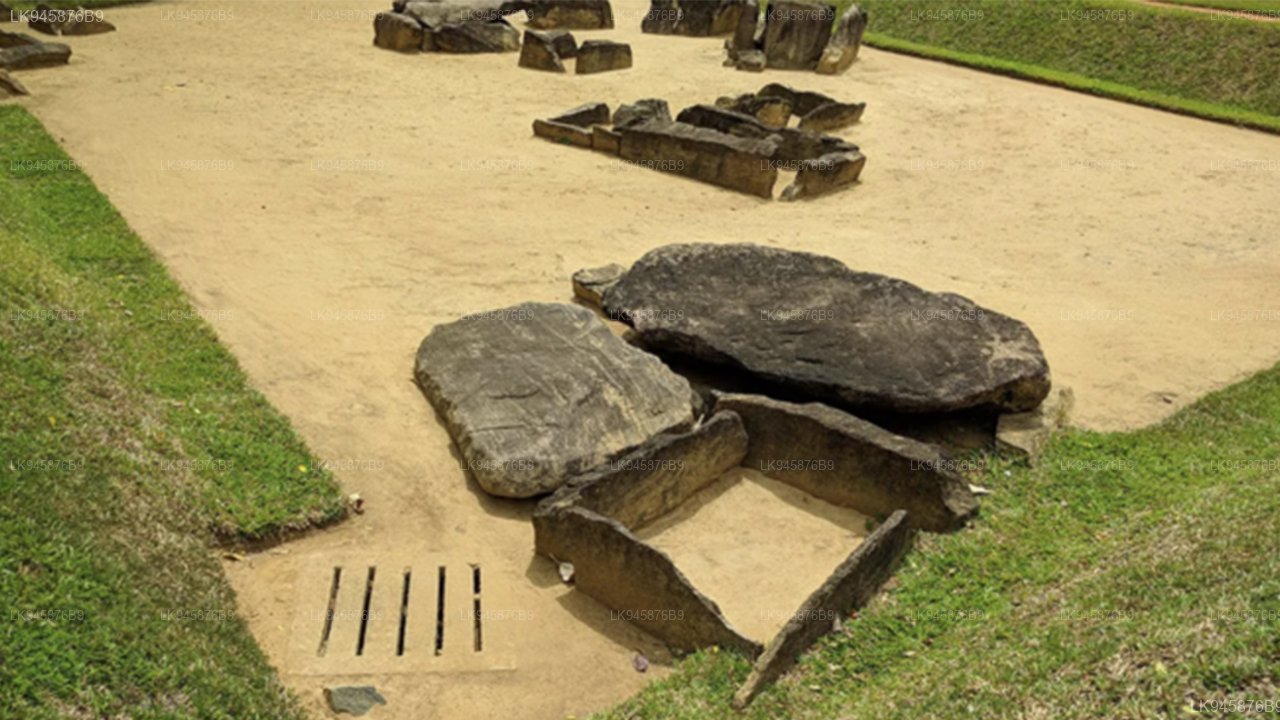
Megalithic burial chambers are large stone structures used for the burial of the dead, often found in ancient sites around the world. These chambers, constructed from massive stone slabs, reflect the advanced architectural skills of early societies. In Sri Lanka, megalithic burial chambers are associated with early human settlement and burial practices, often aligned with celestial events. These chambers were not only designed to house the deceased but were also seen as sacred spaces meant to protect the dead and ensure their peaceful transition to the afterlife. The presence of these chambers, filled with offerings and tools, illustrates the cultural significance of death and the rituals surrounding it.
4. Stone Urn Burials:
Stone urn burials are an integral part of ancient burial traditions. These urns, made of stone or clay, were used to hold the cremated remains of the deceased. Often found in megalithic burial chambers, stone urns were placed alongside other burial offerings, such as tools and jewelry, symbolizing the deceased's journey to the afterlife. The use of urns indicates a belief in the preservation of the soul, with the urn itself serving as both a container and a symbol of spiritual continuity. The careful placement of urns in burial chambers also speaks to the reverence and respect given to the deceased in these ancient cultures.
5. Radiocarbon Dating:
Radiocarbon dating is a vital scientific method used to determine the age of organic materials, such as bone, wood, and plant fibers, by measuring the decay of carbon isotopes. This technique has been instrumental in accurately dating artifacts, burial sites, and other ancient materials, offering a more precise timeline of historical events. In archaeological sites with megalithic burial chambers and stone urn burials, radiocarbon dating helps establish the age of the artifacts and human remains, providing valuable information about the chronology of ancient civilizations. By using this method, researchers can create a clearer understanding of the historical and cultural contexts surrounding these burial practices and artifacts.